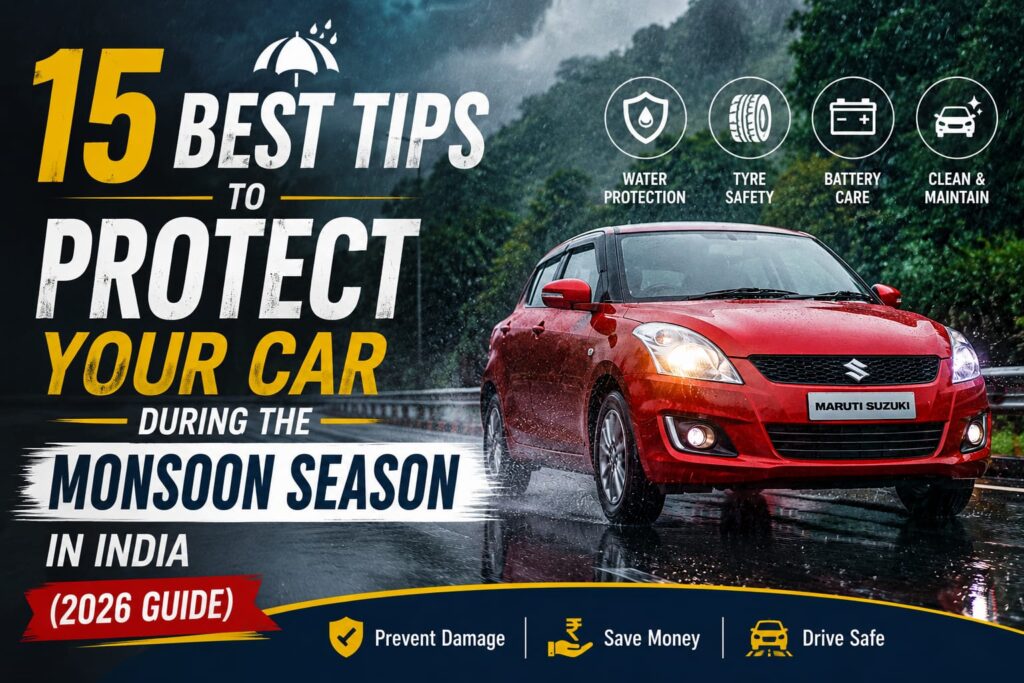
15 Best Tips to Protect Your Car During the Monsoon Season in India (2026 Guide)
The monsoon season brings much-needed relief from the scorching summer heat, but it also creates several challenges for car owners. Heavy rainfall, waterlogging, muddy roads, poor visibility, and high humidity can significantly affect your vehicle’s performance if proper care isn’t taken.
Whether you own a hatchback, sedan, SUV, or commercial vehicle, following the right monsoon car protection tips can help prevent costly repairs and improve your driving safety.
In this guide, we’ll cover the best ways to protect your car during the rainy season in India.
Why Monsoon Car Care Is Important
Rainwater may look harmless, but prolonged exposure can cause:
Rust formation
Electrical failures
Brake issues
Engine damage
Poor tyre grip
Reduced visibility
Battery problems
Interior moisture and bad smell
Regular maintenance before and during the monsoon can save thousands of rupees in repair costs.
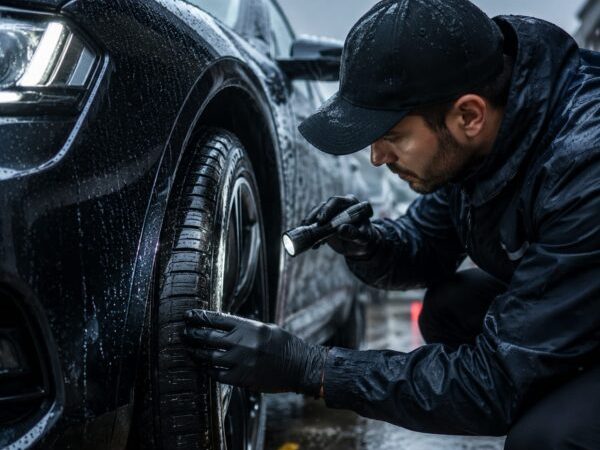
1. Check Your Tyres Before the Rainy Season
Your tyres are your car’s only contact with the road.
During monsoon, worn-out tyres lose grip and increase the chances of hydroplaning.
Things to check:
Tread depth
Tyre pressure
Sidewall cracks
Wheel alignment
Replace tyres if the tread depth is below the recommended limit.
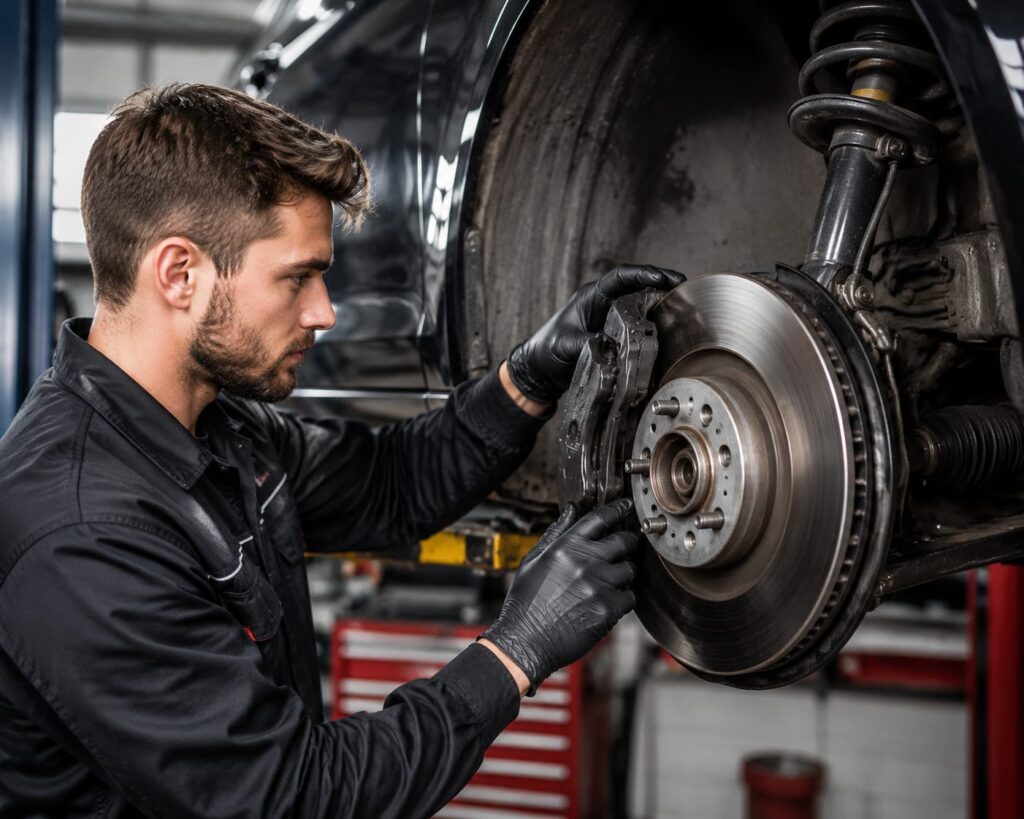
2. Inspect Your Braking System
Wet roads increase braking distance.
Have your mechanic inspect:
Brake pads
Brake discs
Brake fluid
ABS system
Never ignore unusual brake noises after driving through water.
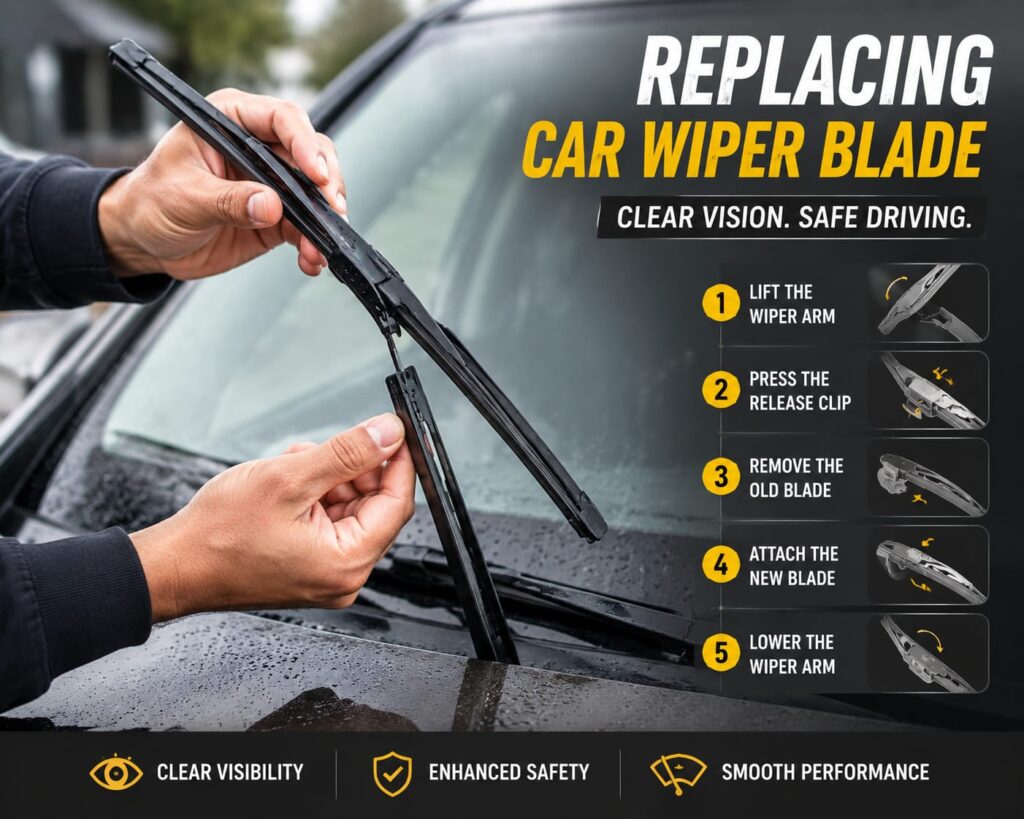
3. Replace Old Wiper Blades
Good visibility saves lives.
If your windshield wipers leave streaks or make noise, replace them immediately.
Experts recommend replacing wiper blades every 6–12 months.
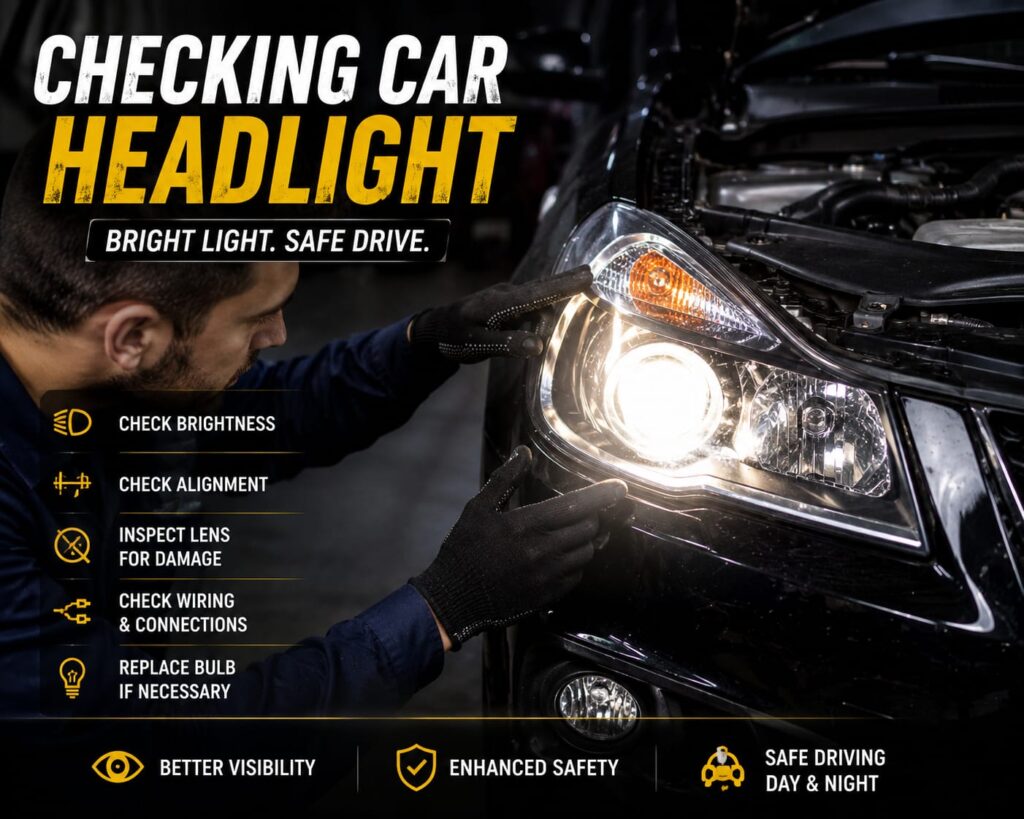
4. Check All Lights
Rain and fog reduce visibility dramatically.
Ensure that your:
Headlights
Tail lamps
Brake lights
Fog lamps
Indicators
are functioning properly.
Clean dirty headlamp lenses regularly.
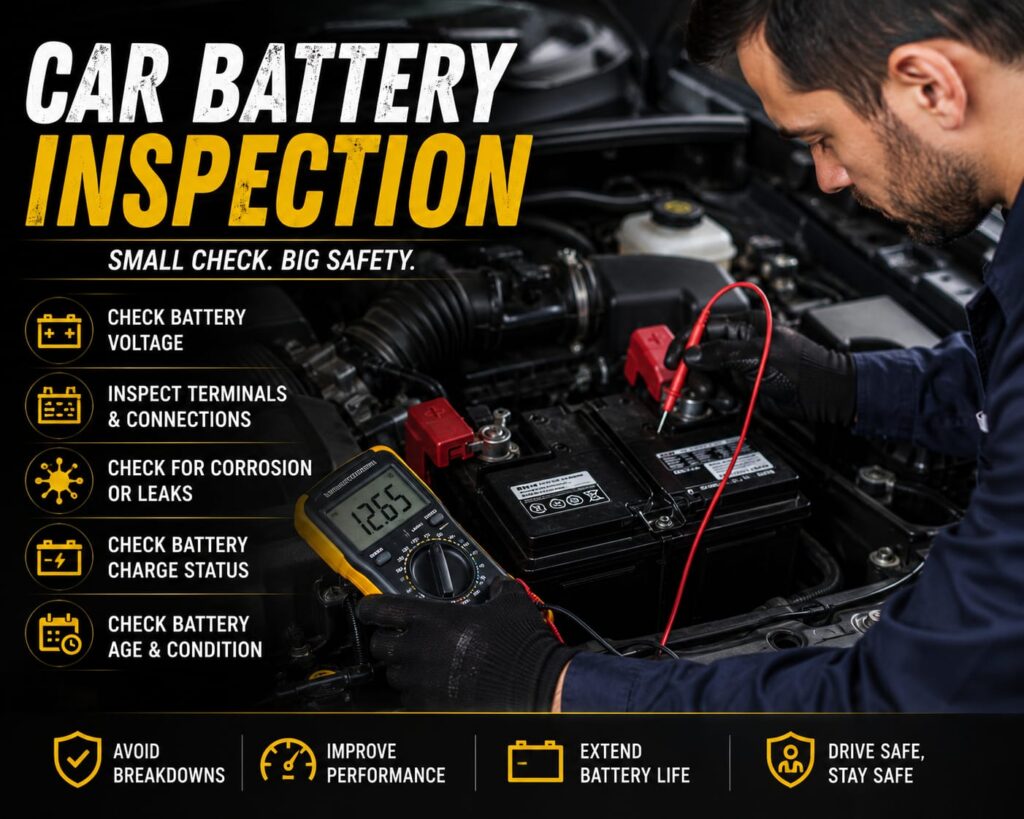
5. Protect the Car Battery
Humidity affects battery performance.
Check:
Battery terminals
Voltage
Loose connections
Corrosion
Apply petroleum jelly or battery terminal grease to prevent corrosion.
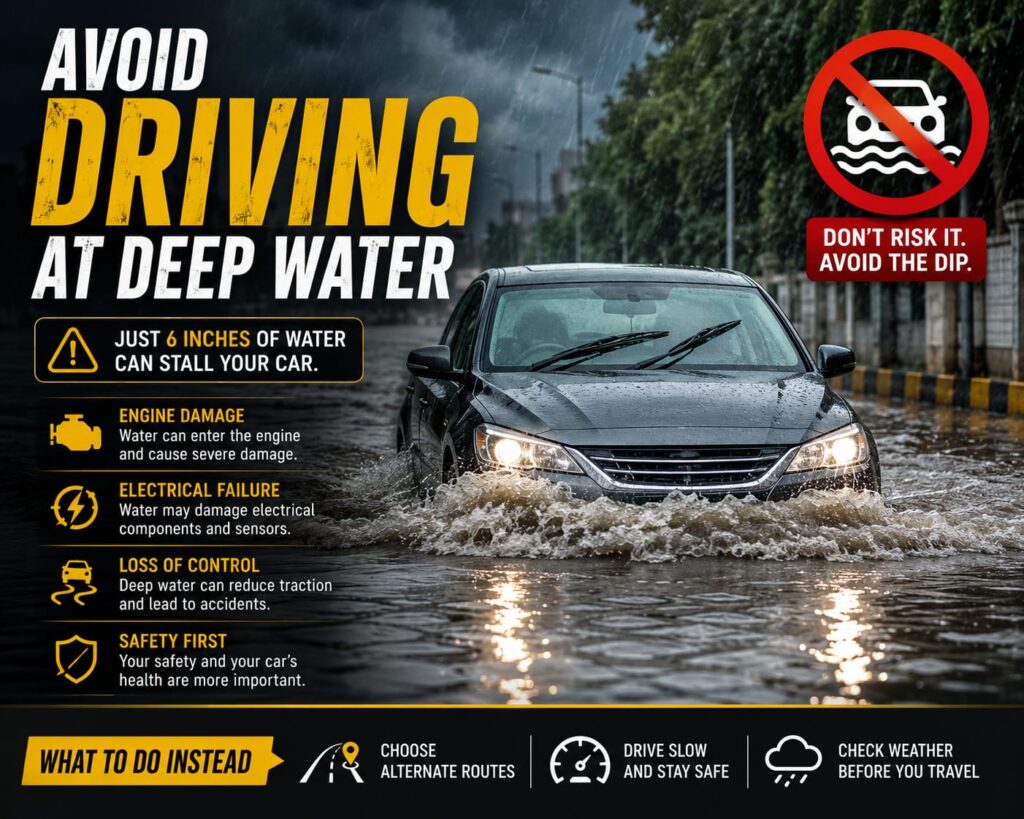
6. Never Drive Through Deep Water
One of the biggest mistakes drivers make is attempting to cross flooded roads.
Water entering the engine can cause hydrolock, leading to severe engine damage.
If the water level is above the wheel hubs, avoid driving through it.
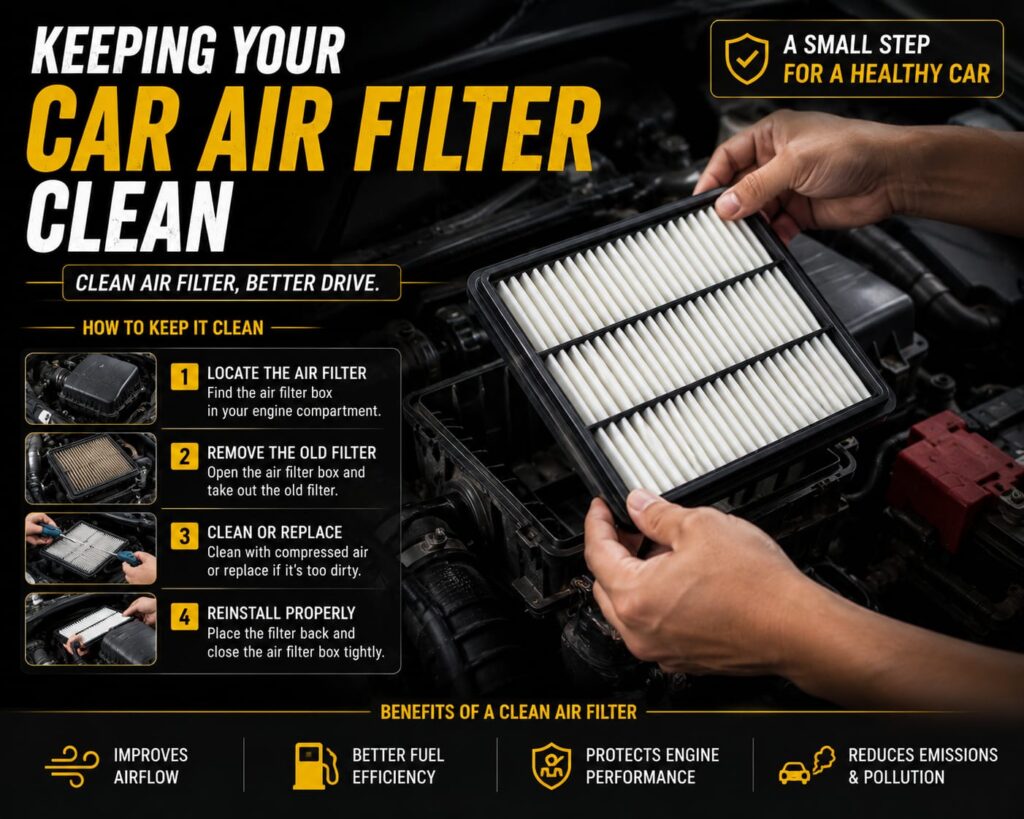
7. Keep the Air Filter Clean
Your engine needs clean air.
A wet or clogged air filter reduces engine performance and fuel efficiency.
Inspect it regularly during the rainy season.
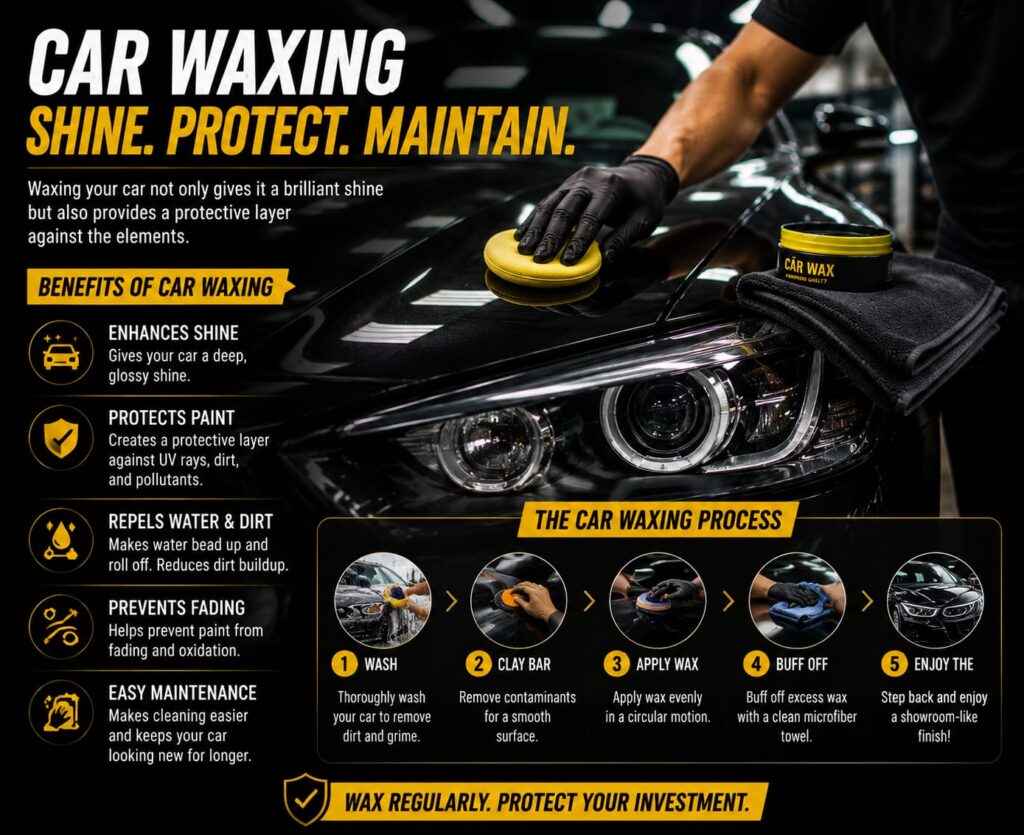
8. Wax Your Car
A good quality wax coating creates a protective barrier against:
Rainwater
Mud
Acid rain
Bird droppings
Waxing also keeps your paint shiny.
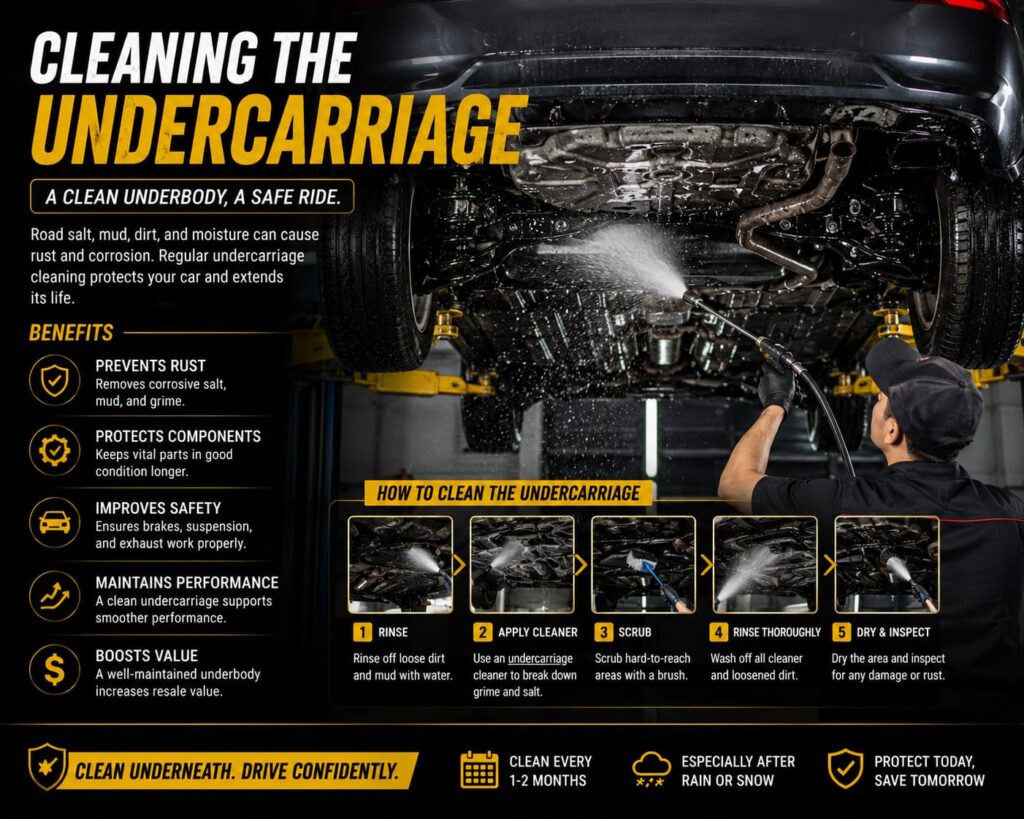
9. Clean the Undercarriage
Mud and dirty water accumulate underneath your vehicle.
This can cause rust on:
Chassis
Suspension
Exhaust system
Wash the underbody after driving through muddy roads.
10. Maintain Proper Cabin Hygiene
Humidity encourages fungal growth inside the cabin.
To avoid bad odours:
Use floor mats
Dry wet carpets
Keep windows slightly open when possible
Use cabin air fresheners
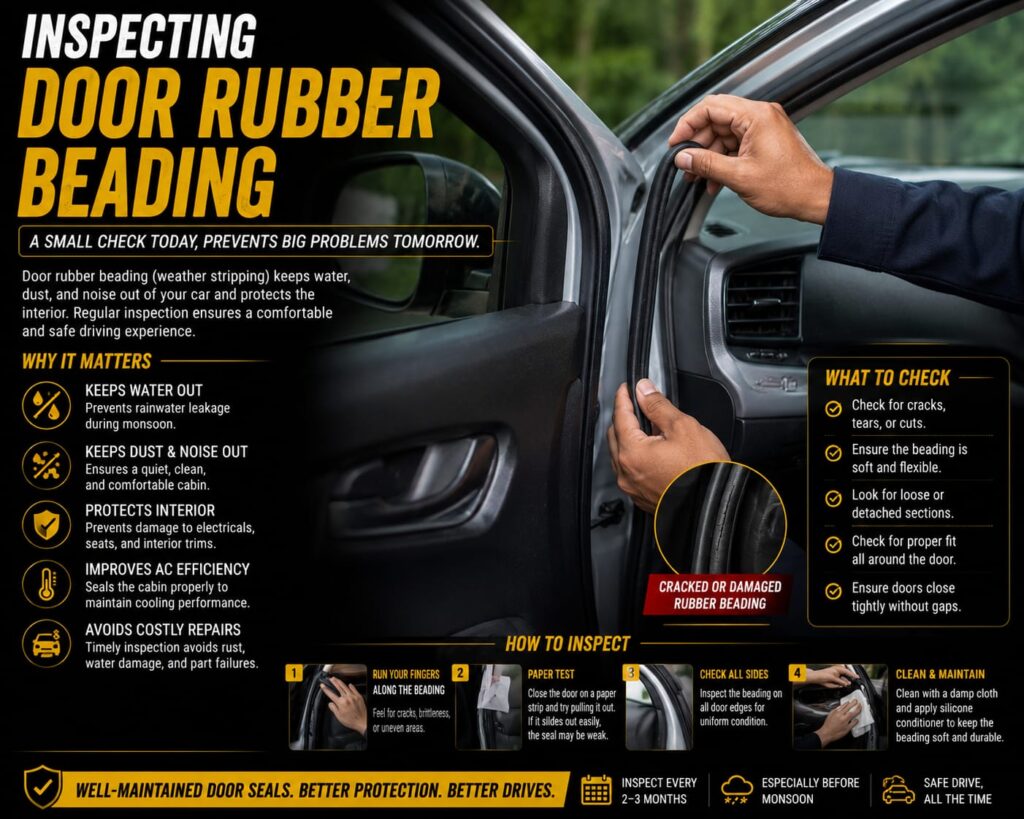
11. Inspect Door Rubber Beading
Rubber seals prevent rainwater from entering the cabin.
Replace damaged beading to avoid:
Water leakage
Wet seats
Electrical damage
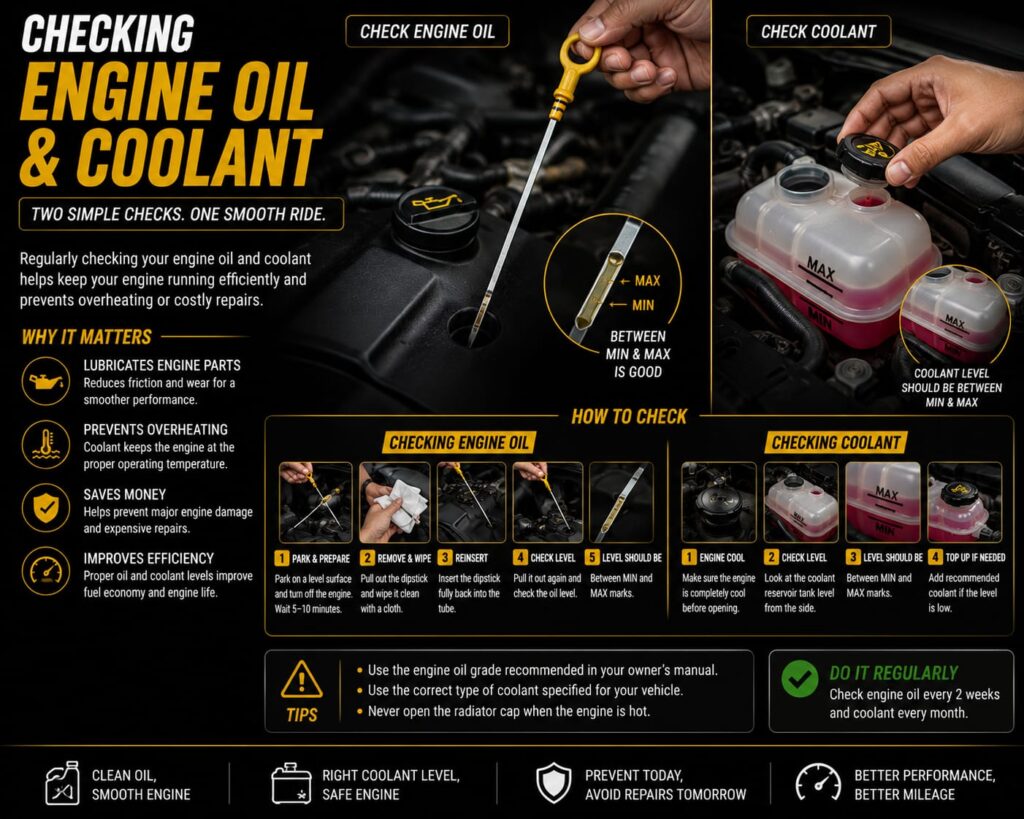
12. Check Engine Oil and Coolant
Engine oil protects moving parts.
During monsoon:
Maintain the correct oil level
Check coolant level
Follow manufacturer service intervals
Never ignore warning lights.
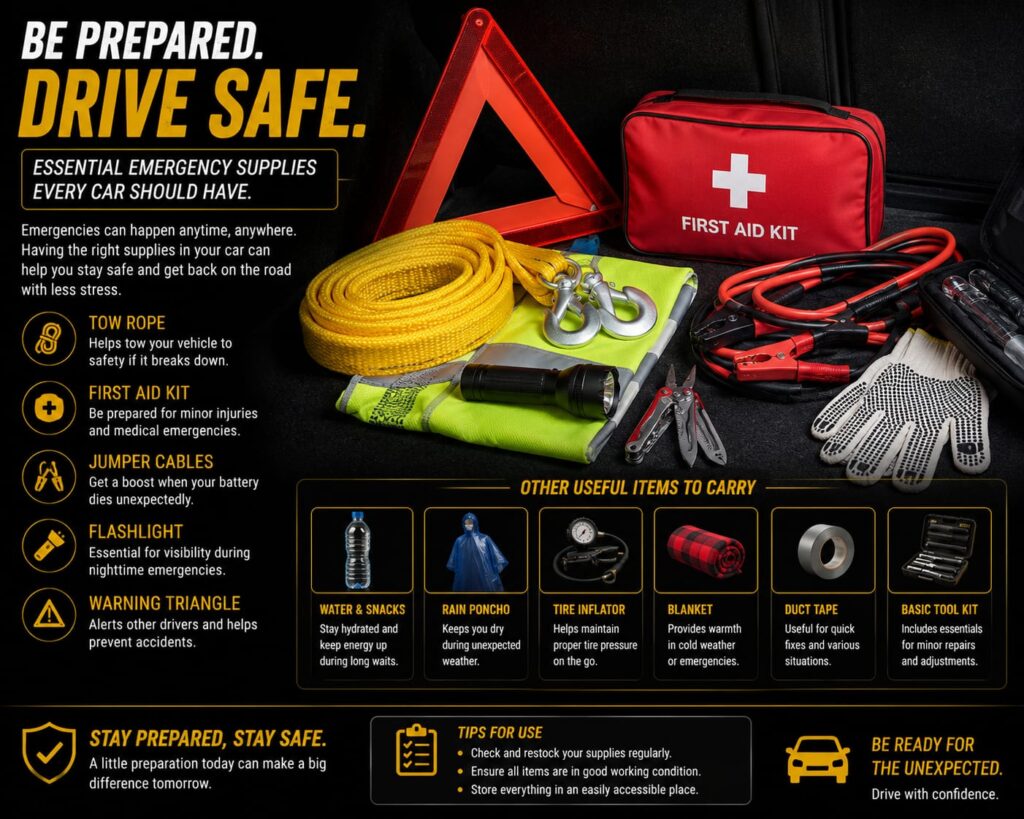
13. Keep Emergency Supplies
Always carry:
Tow rope
Torch
Umbrella
First aid kit
Tyre inflator
Jumper cables
Raincoat
These can be lifesavers during emergencies.
Add Your Heading Text Here
14. Drive Carefully During Heavy Rain
Follow these safe driving tips:
Reduce speed
Maintain safe distance
Avoid sudden braking
Use headlights
Stay in lower gears while crossing shallow water
Safety should always come first.
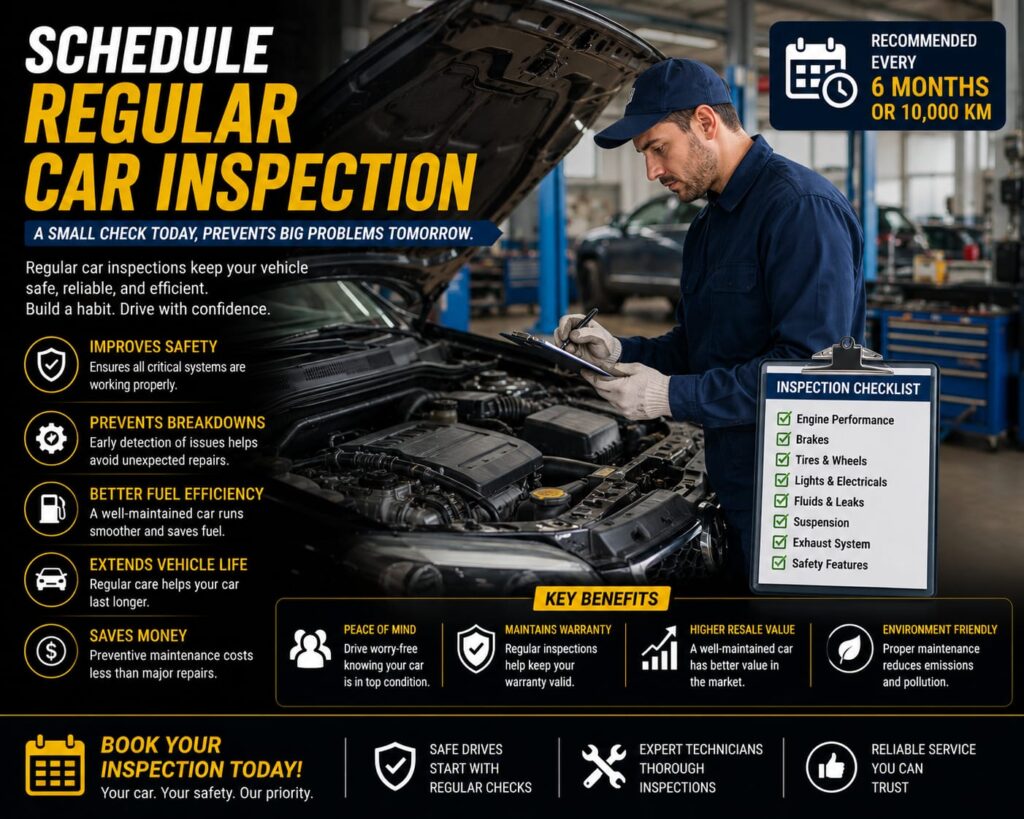
15. Schedule Regular Car Inspection
Preventive maintenance is far cheaper than repairs.
Have your trusted mechanic inspect your vehicle before and during the monsoon season.
Common Monsoon Car Care Mistakes
Avoid these mistakes:
Driving through flooded roads
Ignoring worn tyres
Using damaged wipers
Skipping brake inspection
Delaying servicing
Parking under trees during storms
Ignoring unusual engine noises
Not cleaning the underbody
Frequently Asked Questions (FAQs)
How often should I wash my car during monsoon?
Wash your car every 1–2 weeks, especially after driving on muddy or flooded roads.
Is waxing necessary during the rainy season?
Yes. Wax provides a protective layer against water, dirt, and contaminants, helping preserve your car’s paint.
Can rainwater damage my car engine?
Rain alone won’t damage the engine, but driving through deep water can allow water to enter the engine, potentially causing severe damage.
Why do car brakes feel weak after driving through water?
Water temporarily reduces braking efficiency. Lightly applying the brakes after crossing shallow water can help dry the brake discs.
Should I service my car before the monsoon?
Absolutely. A pre-monsoon inspection helps identify worn tyres, weak batteries, brake issues, and other problems before they become serious.
Final Thoughts
The monsoon season can be tough on your vehicle, but proper preparation makes all the difference. Regular inspections, safe driving habits, and timely maintenance will keep your car reliable and protect you from unexpected breakdowns.
At SPEED MOTORS, we provide high-quality car spare parts and expert guidance to help you maintain your vehicle in every season. Whether you need brake parts, wiper blades, filters, batteries, or other genuine components, we’re here to help keep your car road-ready throughout the rainy season.
Need quality car spare parts? Visit SPEED MOTORS today and keep your car protected this monsoon!
Tip 16: Park Your Car Smartly During the Monsoon
Where you park your car during the rainy season can have a significant impact on its condition. Parking in the wrong place can expose your vehicle to waterlogging, falling tree branches, and unnecessary paint damage.
Whenever possible, park your car in a covered parking area or garage. This protects it from continuous exposure to rainwater, bird droppings, and tree sap. If covered parking is not available, use a high-quality waterproof car cover after ensuring the vehicle is completely dry.
Avoid parking:
Under large trees during heavy rain or storms
Near open drainage systems
In low-lying areas prone to flooding
Beneath old buildings where debris may fall
In areas with stagnant water
Long-term exposure to standing water can accelerate rust formation on the underbody and suspension components. Choosing a safe parking spot is one of the simplest yet most effective ways to protect your car during the monsoon.
Expert Tip: After heavy rainfall, inspect the parking area before moving your car. Hidden potholes or waterlogged surfaces can damage tyres and suspension.
Tip 17: Protect Your Car’s Electrical System
Modern cars rely heavily on electronic systems, including sensors, ECUs, wiring harnesses, lighting systems, infotainment units, and safety features. Excess moisture can affect these components if they are not properly maintained.
Although manufacturers design vehicles to withstand normal rain, prolonged exposure to water or driving through flooded roads increases the risk of electrical issues.
Watch for these warning signs:
Difficulty starting the engine
Flickering headlights
Dashboard warning lights
Power window malfunction
Central locking issues
Faulty infotainment system
Malfunctioning sensors
If you notice any of these problems after driving in heavy rain, have your vehicle inspected immediately.
Avoid spraying high-pressure water directly on electrical connectors or inside the engine bay unless done by trained professionals.
A periodic inspection of wiring and connectors helps prevent unexpected electrical failures during the rainy season.
Tip 18: Keep Your Air Conditioning System in Top Condition
Most people associate the air conditioner with cooling, but during the monsoon, it also plays a crucial role in maintaining visibility.
Humidity causes the windshield and windows to fog up, reducing visibility within seconds. A properly functioning AC system removes excess moisture from the cabin and clears the glass quickly.
Before the monsoon, inspect:
Cabin air filter
AC compressor
Cooling efficiency
Blower motor
Air vents
Drain pipe
If your AC produces unpleasant odours, weak airflow, or insufficient cooling, get it serviced before the rainy season.
Replacing a dirty cabin air filter not only improves airflow but also enhances air quality by trapping dust, pollen, and bacteria.
Pro Tip: Use the front defogger immediately when the windshield begins to fog. It provides faster visibility than wiping the glass manually.
Tip 19: Drive Carefully Over Potholes and Rough Roads
One of the biggest challenges during the Indian monsoon is the sudden appearance of potholes. Rainwater often hides their actual depth, making them difficult to identify.
Driving over potholes at high speed can damage several expensive components, including:
Suspension
Shock absorbers
Alloy wheels
Tyres
Steering linkage
Wheel alignment
To reduce the risk of damage:
Slow down whenever you see standing water.
Maintain a safe distance from the vehicle ahead.
Avoid sudden steering movements.
Cross potholes slowly and in a straight line.
Check your wheel alignment if you experience steering vibration afterwards.
Even a single hard impact can reduce tyre life and affect overall vehicle stability.
Tip 20: Never Ignore Unusual Sounds or Warning Lights
Your vehicle often gives early warning signs before a major mechanical failure occurs. Ignoring these signs can turn a small repair into a costly one.
During the monsoon, pay close attention to:
Engine warning light
ABS warning light
Battery warning light
Temperature warning light
Oil pressure warning light
Unusual engine noises
Suspension knocking sounds
Brake squealing
Steering vibration
If any warning light remains illuminated after starting the vehicle, do not postpone inspection.
Similarly, if you hear unusual noises after driving through waterlogged roads, have your car checked by a qualified technician as soon as possible.
Timely diagnosis not only saves money but also prevents sudden breakdowns during long journeys.
Signs Your Car Needs Immediate Attention During the Monsoon
Some symptoms should never be ignored, especially during the rainy season.
Seek professional assistance immediately if you notice:
Engine stalls after crossing water.
Brakes feel unusually weak.
Vehicle pulls to one side while braking.
Water enters the cabin.
Dashboard warning lights remain on.
Excessive white smoke from the exhaust.
Steering becomes unusually heavy.
Battery repeatedly discharges.
AC stops removing windshield fog.
Strange burning smell from the engine compartment.
Prompt action can prevent minor faults from developing into major mechanical failures.
Recommended Monsoon Car Maintenance Schedule
Following a simple maintenance schedule helps keep your vehicle reliable throughout the rainy season.
Maintenance Item
Recommended Frequency
Tyre pressure check
Every 2 weeks
Tyre tread inspection
Monthly
Brake inspection
Every 5,000–10,000 km or if performance changes
Engine oil level
Every month
Coolant level
Every month
Battery inspection
Every month
Windshield washer fluid
Weekly
Wiper blade inspection
Monthly
Exterior wash
Every 1–2 weeks
Underbody cleaning
After driving through muddy or flooded roads
Cabin cleaning
Weekly
Professional inspection
Before and during the monsoon season
Sticking to this schedule reduces the chances of unexpected repairs and extends the life of your vehicle.
Monsoon Car Care: Myths vs Facts
Many drivers follow outdated advice that can actually do more harm than good. Let’s separate myths from facts.
Myth 1: Rainwater is clean and won’t damage your car.
Fact: Rainwater often contains pollutants and acidic contaminants that can dull your car’s paint if left unwashed.
Myth 2: New tyres don’t need inspection.
Fact: Even new tyres require regular pressure and tread checks for maximum grip and safety.
Myth 3: Driving fast through water is safer.
Fact: High speed creates a larger wave of water, increasing the risk of water entering the engine and damaging electrical components.
Myth 4: Brake performance is unaffected by rain.
Fact: Wet brakes temporarily lose efficiency. Lightly applying the brakes after crossing shallow water helps dry the brake discs.
Myth 5: Servicing can wait until after the monsoon.
Fact: Preventive servicing before the rainy season is far more effective and less expensive than repairing damage later.
Expert Advice from SPEED MOTORS
At SPEED MOTORS, we’ve helped countless car owners keep their vehicles running smoothly through every season. One thing we’ve consistently observed is that preventive maintenance is always more affordable than emergency repairs.
Replacing worn-out wiper blades, brake pads, air filters, or battery terminals before the monsoon begins can save you from expensive breakdowns and unsafe driving conditions.
Whether you own a family hatchback, a premium sedan, or a rugged SUV, using quality spare parts and following a regular maintenance schedule will improve your car’s safety, reliability, and long-term performance.
Investing a little time in monsoon preparation today can save you significant money and inconvenience throughout the rainy season.