Signs Your Car Battery Needs Replacement: 10 Warning Signs Every Car Owner Should Know
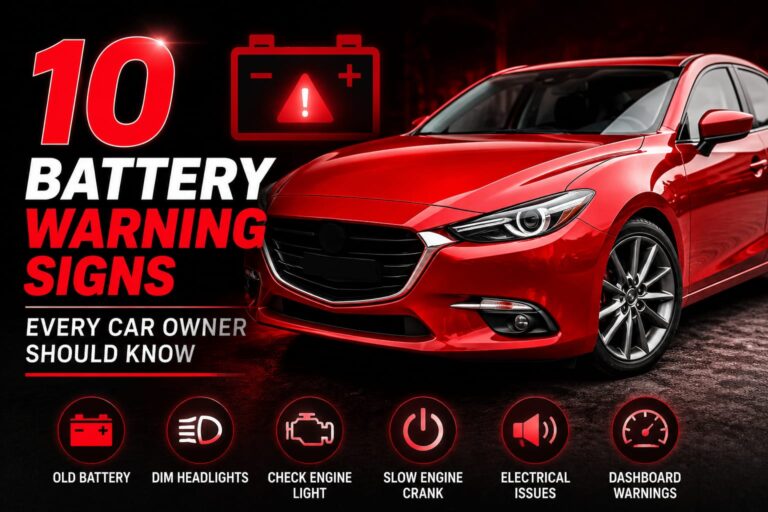
Your car battery is one of the most important components of your vehicle. It powers the starter motor, ignition system, lights, infotainment system, and various electronic features. Without a healthy battery, even the most reliable car won’t start.
Unfortunately, many drivers don’t realize their battery is failing until they’re stranded with a car that refuses to start. Recognizing the early warning signs can save you from unexpected breakdowns, expensive towing charges, and unnecessary stress.
In this guide, we’ll explain the most common signs that your car battery needs replacement, what causes battery failure, how long a battery typically lasts, and practical maintenance tips to maximize its lifespan.
Why Your Car Battery Is So Important
The battery stores electrical energy and supplies power to:
Starting the engine
Ignition system
Headlights
Interior lighting
Power windows
Central locking
Music system
Air conditioning electronics
ECU (Engine Control Unit)
Dashboard instruments
A weak battery affects the performance of all these systems and may leave you stranded at the worst possible time.
10 Signs Your Car Battery Needs Replacement
1. Engine Cranks Slowly
A slow engine crank is usually the first warning sign of a weak battery.
Instead of starting immediately, the engine struggles to turn over and takes longer than usual to start.
If this happens repeatedly, have your battery tested as soon as possible.
2. Difficulty Starting the Car
If your car occasionally refuses to start or starts only after multiple attempts, your battery may no longer be able to deliver sufficient power.
Don’t ignore intermittent starting issues—they often become complete battery failure.
3. Dim Headlights
Healthy batteries provide stable voltage.
If you notice:
Dim headlights
Flickering lights
Dashboard lights becoming weak
especially while idling, your battery or charging system may need attention.
4. Battery Warning Light Appears
The battery-shaped warning light on your dashboard indicates a problem with the charging system.
Possible causes include:
Weak battery
Faulty alternator
Loose battery terminals
Damaged wiring
Always investigate this warning promptly.
5. Clicking Sound When Starting
Hearing repeated clicking noises when turning the key or pressing the start button often means the battery doesn’t have enough power to operate the starter motor.
This is one of the clearest indicators that replacement may be necessary.
6. Swollen or Bloated Battery Case
Excessive heat is one of the biggest enemies of car batteries.
High temperatures can cause the battery casing to swell or deform.
A swollen battery should be replaced immediately, as it may fail without warning.
7. Corroded Battery Terminals
White, green, or blue powder around the battery terminals indicates corrosion.
Corrosion restricts electrical flow and creates starting problems.
Cleaning the terminals may solve minor issues, but heavy corrosion often accompanies an aging battery.
8. Frequent Jump Starts
Needing a jump start more than once is a strong indication that your battery can no longer hold a proper charge.
While one jump start may result from accidentally leaving the headlights on, repeated jump starts usually mean the battery is nearing the end of its life.
9. Electrical Accessories Stop Working Properly
Modern vehicles rely heavily on electronics.
A weak battery can cause:
Slow power windows
Weak horn
Infotainment system resets
Flickering interior lights
Malfunctioning sensors
If multiple electrical problems appear together, check the battery first.
10. Battery Is More Than 3–5 Years Old
In Indian weather conditions, most car batteries last between 3 and 5 years, depending on:
Driving habits
Climate
Maintenance
Vehicle usage
If your battery is approaching this age, it’s wise to have it tested during every service.
Common Causes of Battery Failure
Several factors can shorten battery life, including:
Extreme summer heat
Frequent short trips
Leaving headlights or cabin lights on
Faulty alternator
Loose battery terminals
Long periods without driving
Poor maintenance
Excessive use of aftermarket electrical accessories
Understanding these causes can help you avoid premature battery failure.
How to Extend Your Car Battery Life
Follow these simple maintenance tips:
Clean battery terminals regularly.
Tighten loose battery connections.
Switch off lights before leaving the vehicle.
Drive your car regularly.
Avoid unnecessary electrical load when the engine is off.
Keep the battery securely mounted.
Have the charging system inspected during routine servicing.
Replace the battery before it fails completely.
Preventive maintenance is always cheaper than emergency repairs.
When Should You Replace Your Car Battery?
Replace your battery immediately if:
It repeatedly fails voltage tests.
It cannot hold a charge.
The casing is swollen or damaged.
The engine struggles to start regularly.
The battery is more than five years old and showing signs of weakness.
Waiting too long increases the risk of being stranded unexpectedly.
Choosing the Right Replacement Battery
When replacing your battery, consider:
Manufacturer-recommended battery size
Correct ampere-hour (Ah) rating
Cold Cranking Amps (CCA), if applicable
Warranty period
Genuine or trusted OEM-quality brands
Avoid choosing a battery solely because it’s cheaper. A quality battery offers better reliability and longer service life.
Simple Battery Maintenance Checklist
✔ Inspect terminals monthly
✔ Keep terminals clean and corrosion-free
✔ Ensure battery is tightly secured
✔ Check electrolyte level (for serviceable batteries)
✔ Test battery health annually after three years of use
✔ Replace old batteries before complete failure
Frequently Asked Questions (FAQs)
How long does a car battery last?
Most car batteries last 3–5 years, though lifespan varies depending on climate, driving conditions, and maintenance.
Can a weak battery damage my car?
A weak battery won’t usually damage the engine, but it can cause electrical issues, unreliable starting, and increased strain on the starter motor.
Should I replace the battery if the car starts normally?
If the battery is over five years old, have it tested even if the car starts normally. Preventive replacement can help avoid sudden breakdowns.
Does hot weather affect battery life?
Yes. High temperatures accelerate internal chemical reactions and can significantly shorten battery lifespan.
Can I replace the battery myself?
Many car owners can replace a battery safely, but if your vehicle has advanced electronics or battery management systems, professional installation is recommended.
Conclusion
Your car battery is the heart of your vehicle’s electrical system. Paying attention to early warning signs—such as slow engine cranking, dim headlights, repeated jump starts, or a dashboard battery warning light—can help you replace the battery before it leaves you stranded.
Routine inspections, proper maintenance, and timely replacement not only improve reliability but also protect your vehicle’s electrical components and provide peace of mind on every journey.
Whether you’re driving in city traffic or heading out on a long road trip, a healthy battery ensures your car is always ready to go.
Need a Genuine Car Battery or Expert Advice?
At SPEED MOTORS, we help car owners choose high-quality batteries and genuine automotive spare parts for reliable performance and long service life. Our team can guide you in selecting the right battery for your vehicle and provide trusted solutions to keep your car running smoothly.